Designing Agent Interfaces for High-Stakes Decisions

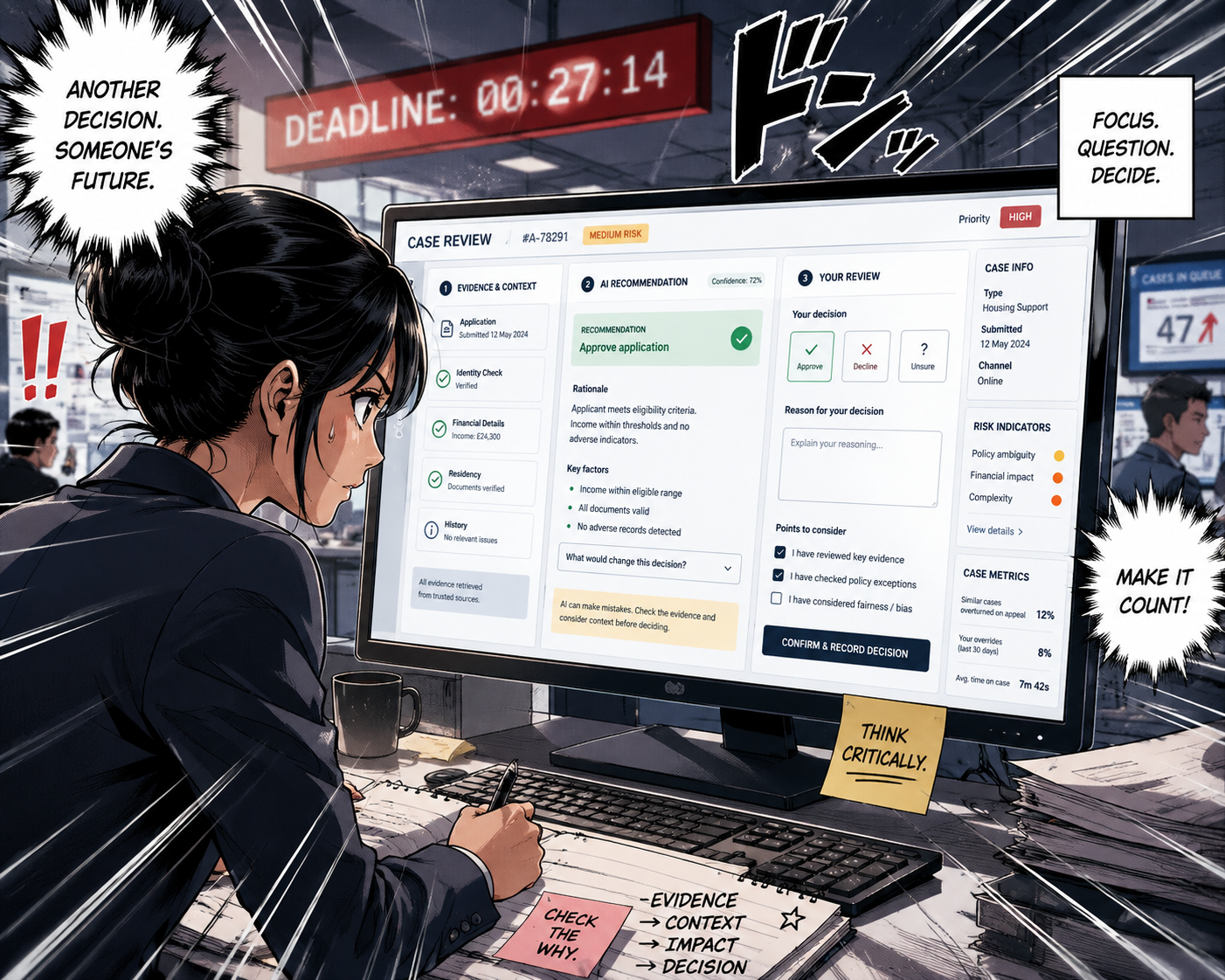
AI systems are increasingly moving beyond summarisation and copilots into something more consequential: decision support. Across regulated industries, and some national infrastructure, organisations are beginning to deploy systems that recommend actions, draft decisions, prioritise cases, assess eligibility, identify risks, or guide frontline staff through operational processes. These systems promise substantial efficiency gains — often the … continue reading
The Forward-Deployed Designer

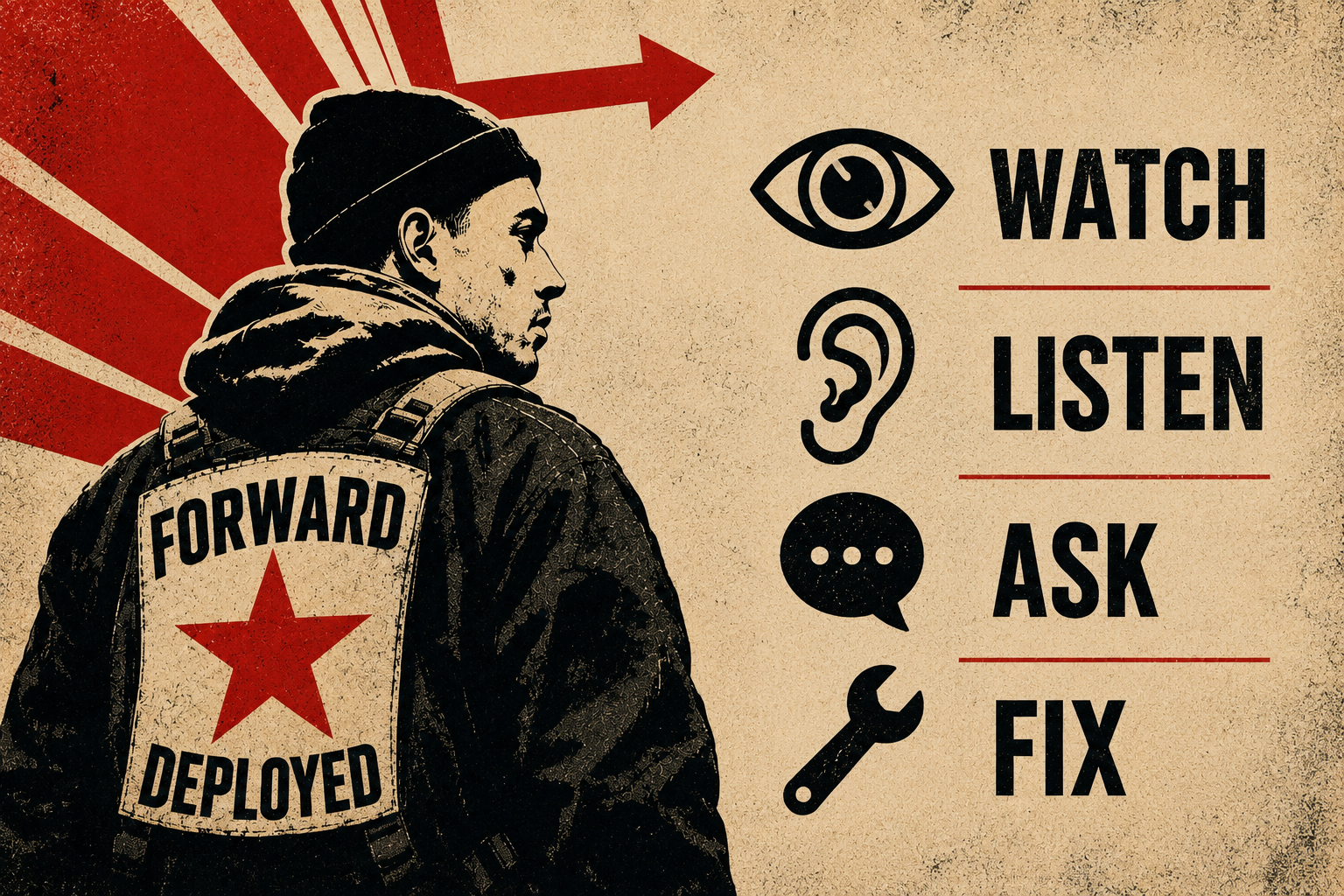
“Forward deployed” started as a term in engineering and consulting. It describes people who work directly with the customer instead of sitting at a distance from the problem. In practice, it means being close enough to see friction as it happens and close enough to fix it quickly. Designers need to be thinking and working … continue reading

Agentic Interfaces: Beyond the Chat Window

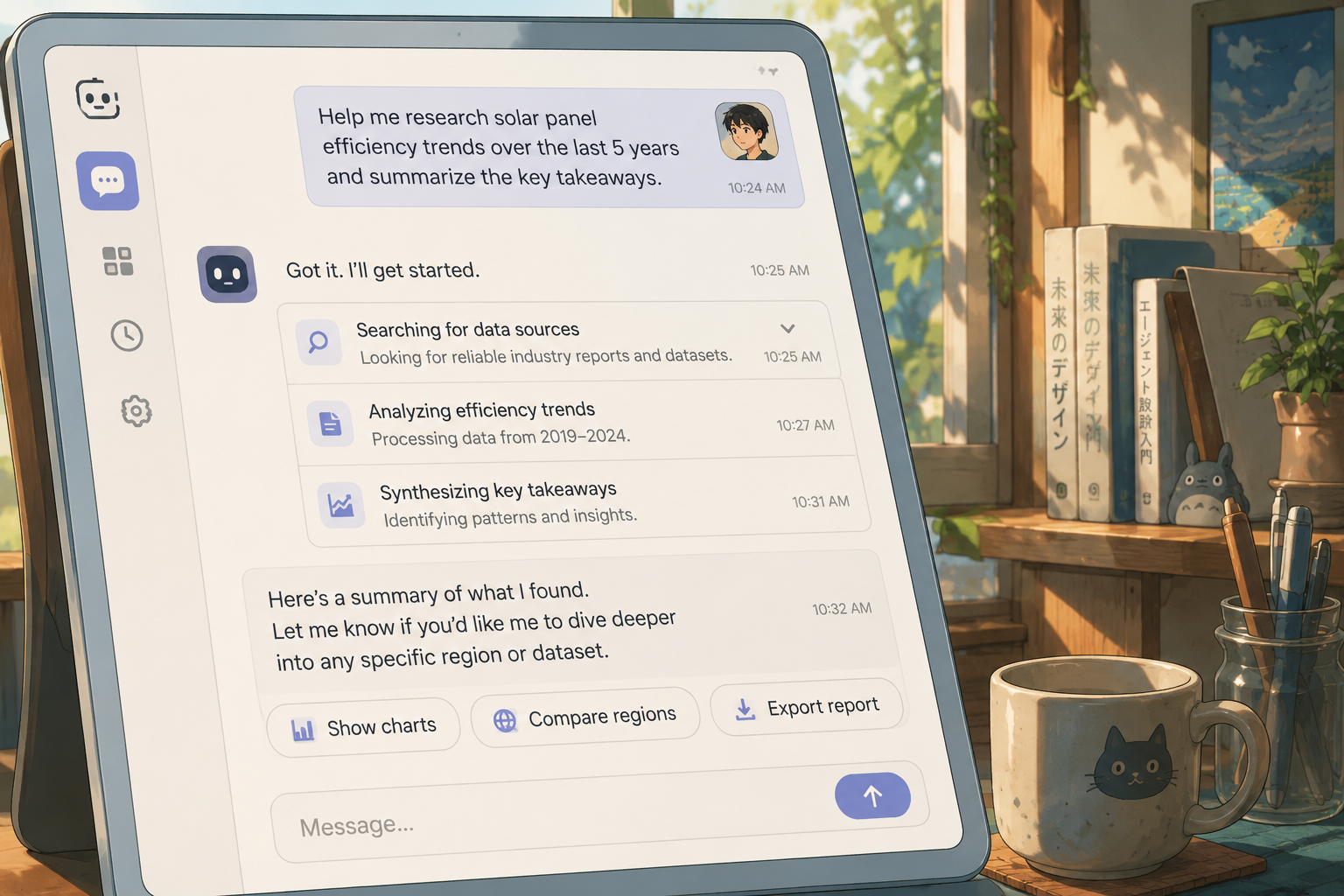
For the last few years, AI product design has largely revolved around one thing: the chat interface. Prompt in, response out. But the next wave of AI products is shifting away from “chatbots” toward agentic interfaces — systems that can reason, take action, collaborate with tools, maintain context, and work toward goals over time. The … continue reading

Systems thinking > pixel perfection

For a long time, product design has been closely associated with visual polish. Spacing, typography, alignment, colour. The details that make something feel “finished.” Tools like Figma became central because they made it easy to refine those details and get to a high level of fidelity quickly. That still matters, but it’s no longer the … continue reading

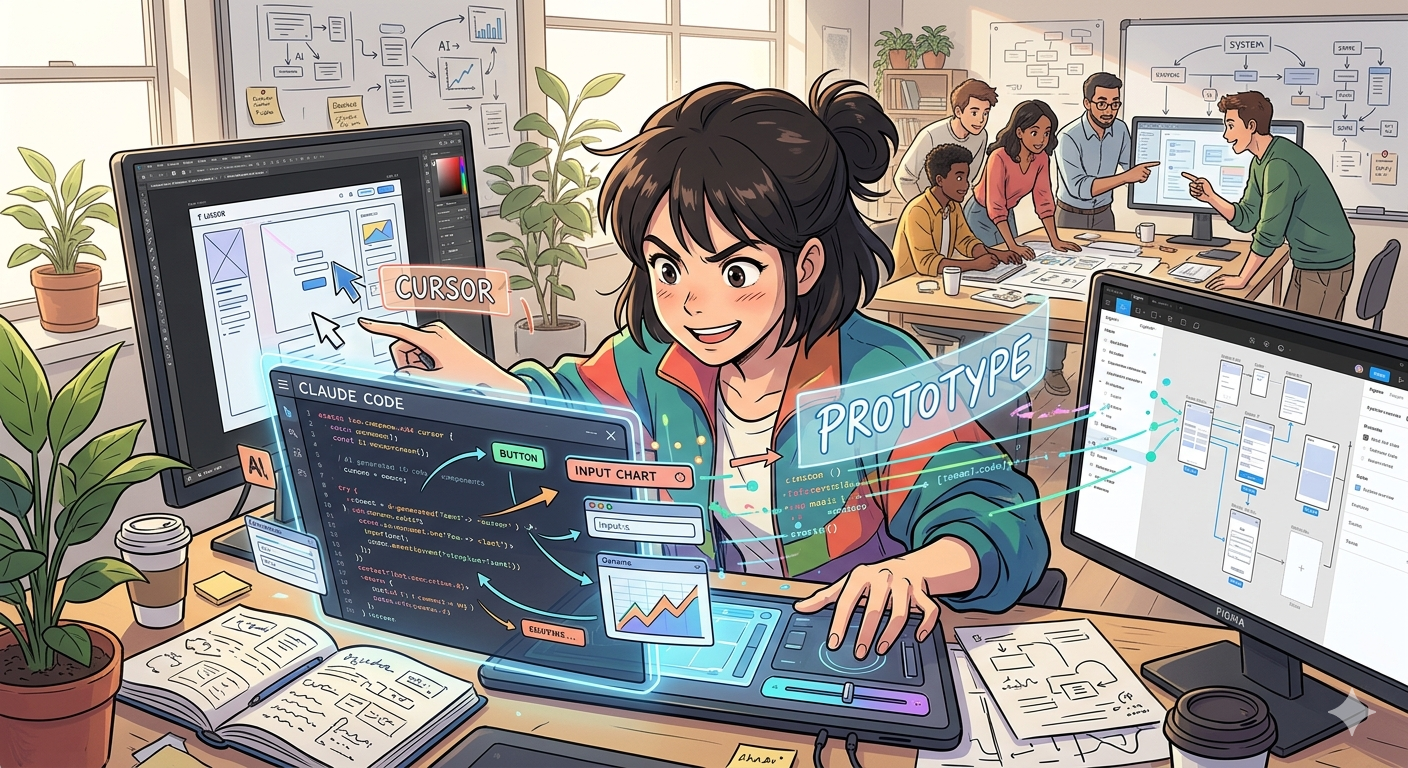
Illustration of a designer coding some design work

The Design Process in 2026

Design tooling has fundamentally changed with the latest and greatest vibe-coding tools. It’s now faster than ever to get high quality, high fidelity prototypes up and running. This is a job advert for a product designer role at Ramp – a design-centric SaaS company in the finance space: Own product work end to end: Partner … continue reading

AI and ML Design Resources for UX Designers

I’ve come across a few really good resources for UX Designers getting into or involved in designing for complex apps and AI-enabled software. Let me know of other great links and I will add them to the list. Number one on my list is the Google People + AI Guidebook (aka PAIR). This is a huge and … continue reading

Digital wave

A User-First Approach to AI Strategy

“Enterprise AI strategy” is something you’d find on a consultant’s slide deck with lots of arrows, maybe a few buzzwords, and a roadmap that stretches into some hazy, futuristic quarter where everything just “works.” But in reality, the organisations making the most meaningful progress with AI aren’t following 100-slide strategies. They’re building small, scrappy, useful … continue reading

Product Designer Portfolio Tips

I have reviewed about 100 product designer portfolios in the last couple of weeks for 2 open midweight product designer roles we have at Faculty. I want to help product designers get jobs. These 100 portfolios are after we have filtered out people who have applied who do not fit the criteria, i.e. the criteria … continue reading

Thumbs Up to the Humans in the Loop

Back in the early days of building apps, when we were still deploying things with FTP and debugging with alert(), one of the most thrilling moments was just watching someone use your thing. Not a simulated user, not a test suite, but a real human being poking around, getting confused, lighting up when something worked, … continue reading

Why you should listen to your superusers over your metrics

Most users don’t care about your product. That might sound harsh, but hear me out. For the vast majority of people, your app is just another utility — something they open, tap around in, and close without a second thought. And yet, if you’re building a an app with more than a few hundred users, … continue reading