AI and ML Design Resources for UX Designers

I’ve come across a few really good resources for UX Designers getting into or involved in designing for complex apps and AI-enabled software. Let me know of other great links and I will add them to the list. Number one on my list is the Google People + AI Guidebook (aka PAIR). This is a huge and … continue reading
A Practical Introduction to AI Agents

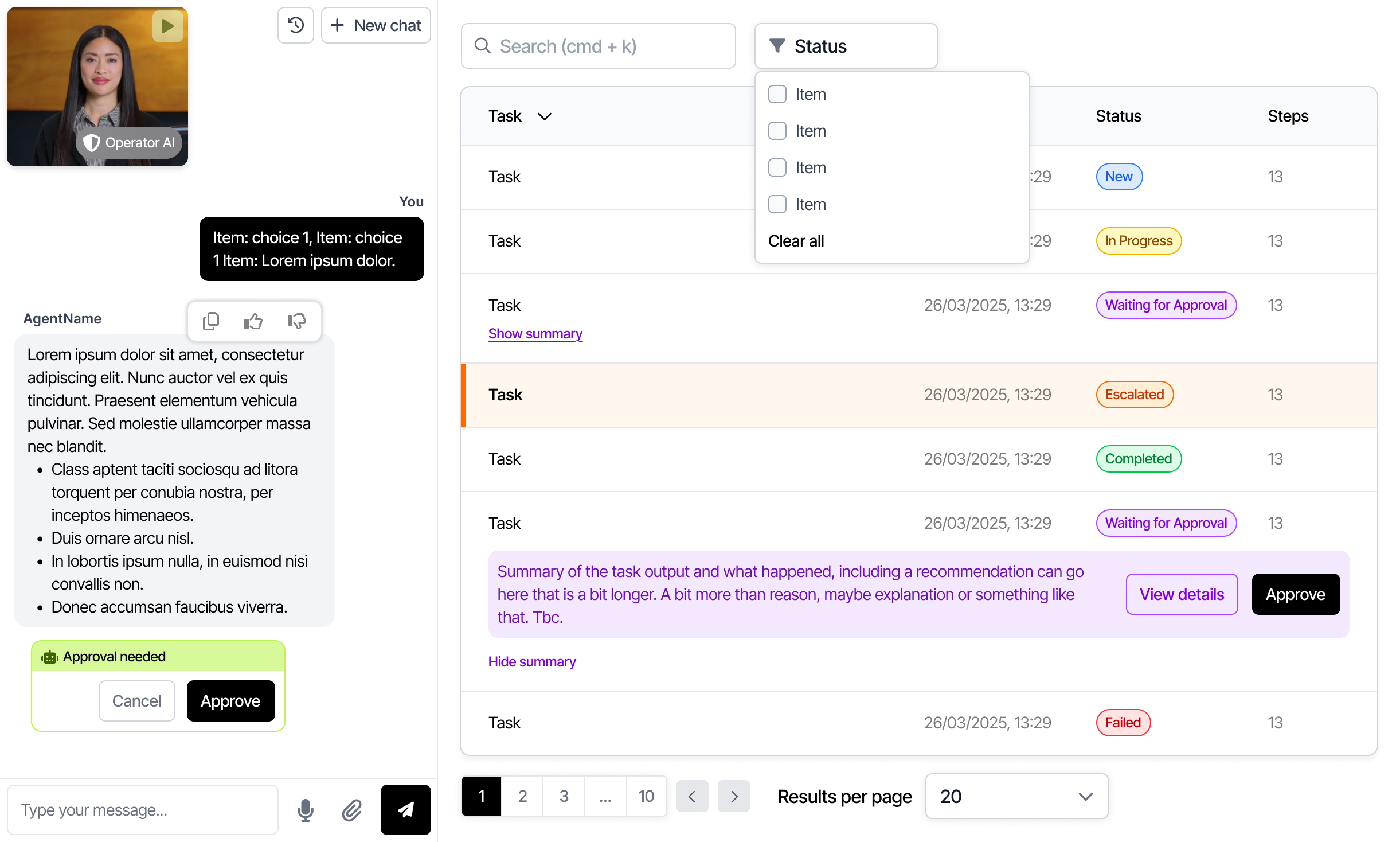
How they work, why they matter, and what you should know before building one AI agents are quickly becoming one of the most talked-about developments in applied AI. But despite the buzz, many people are still unsure what an “agent” actually is or how it differs from a standard large language model (LLM) prompt. This … continue reading

Adaptive Learning for AI Agents

As AI agents become more autonomous and take on increasingly complex tasks, adaptive learning becomes a core requirement. Adaptive learning is the ability to update behaviour based on new information. While model fine-tuning used to be the dominant mechanism for adaptation, modern agent architectures allow for more flexible and lightweight options that work in real … continue reading

Designing Agents

I’ve recently been working on an agentic fraud alert review system for a bank, where our agent monitors transaction alerts and reviews the transaction against context of the bank account as well as any open source intelligence it can gather. The agent system started as a chat interface – where users could ask questions and … continue reading

Good Models Die in Notebooks

In large consulting projects and enterprise AI programs, too many AI and data science projects follow the same unhelpful pattern. A team of data scientists works for months in notebooks, training and tuning models, carefully optimising precision, recall, and accuracy. Eventually, the results are presented: metrics are up, charts point in the right direction, and … continue reading

Thumbs Up to the Humans in the Loop

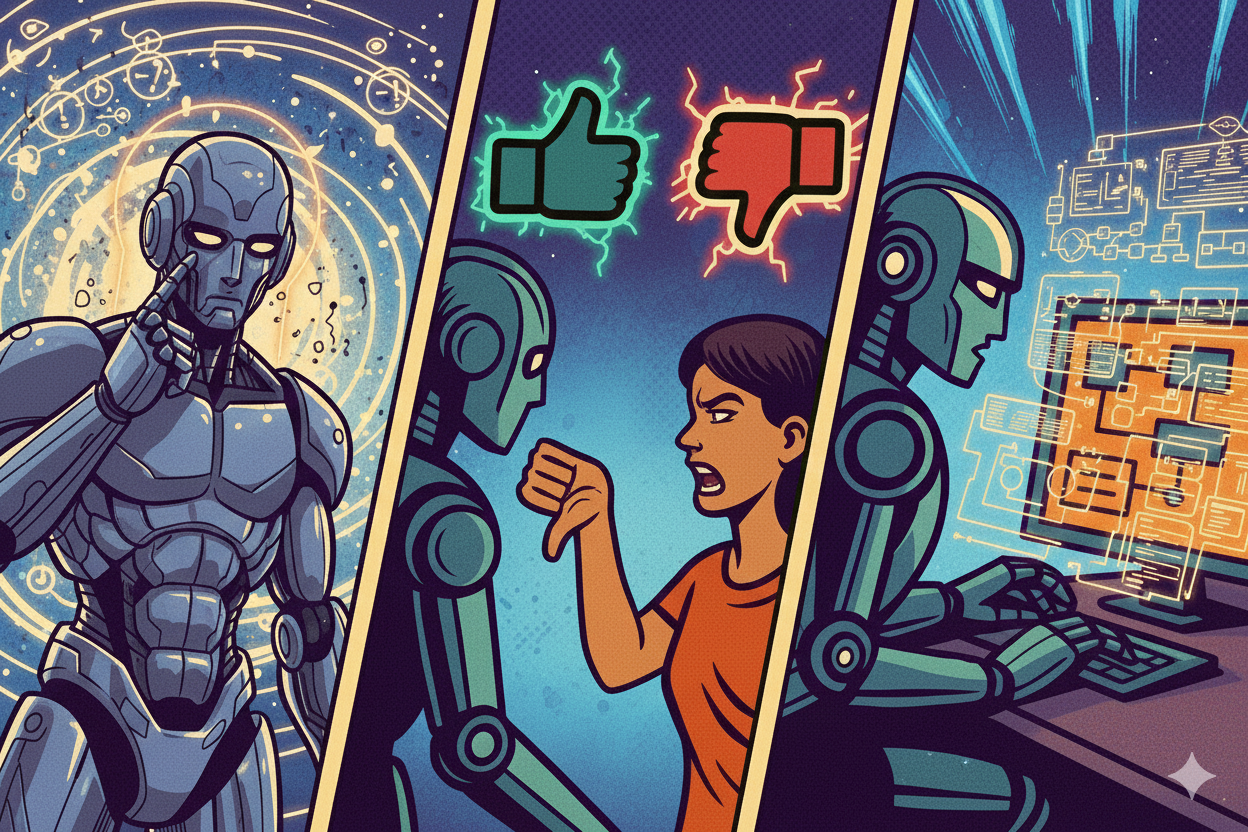
Back in the early days of building apps, when we were still deploying things with FTP and debugging with alert(), one of the most thrilling moments was just watching someone use your thing. Not a simulated user, not a test suite, but a real human being poking around, getting confused, lighting up when something worked, … continue reading

Thinking beyond chat interfaces for human-agent interaction

From Chat to Click Chat-based interfaces are the go-to solution for agent interactions, helping new users of agent systems navigate complex workflows. Chat is a flexible interface, and can return different formats of responses. There’s also no limit to what the user can input, if they can think of the prompt. However the user has … continue reading

How do you design explainability in Complex Systems?

AI has become a driving force in software from personalised recommendations to critical decisions in healthcare and finance. This creates a challenge for users: how do we ensure that AI systems remain understandable and trustworthy to the people who use them? There are a few ways you can help build trust in AI applications, or … continue reading

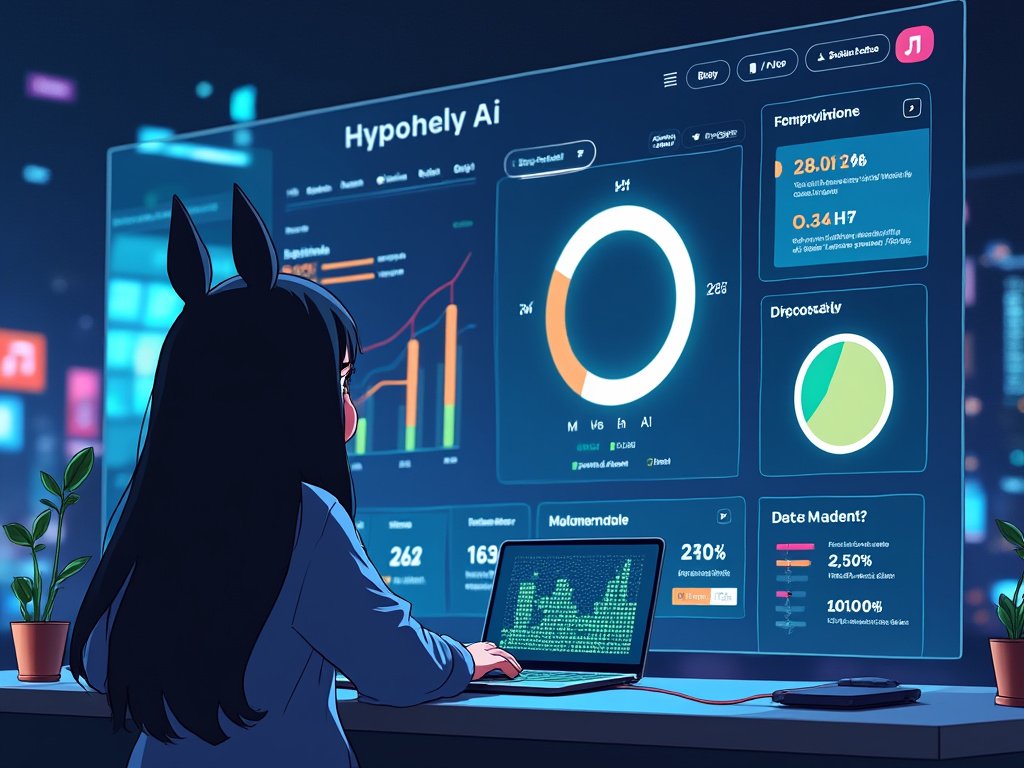
A girl designs a dashboard

Avoiding AI Gimmicks: Designing for Real User Needs

I’m going to start with a Steve Jobs clip. In it, he says “you’ve got to start with the customer experience and work backwards to the technology. You can’t start with the technology and figure out how you’re going to sell it.” You can’t make people want something. It’s easy to get excited about AI. … continue reading

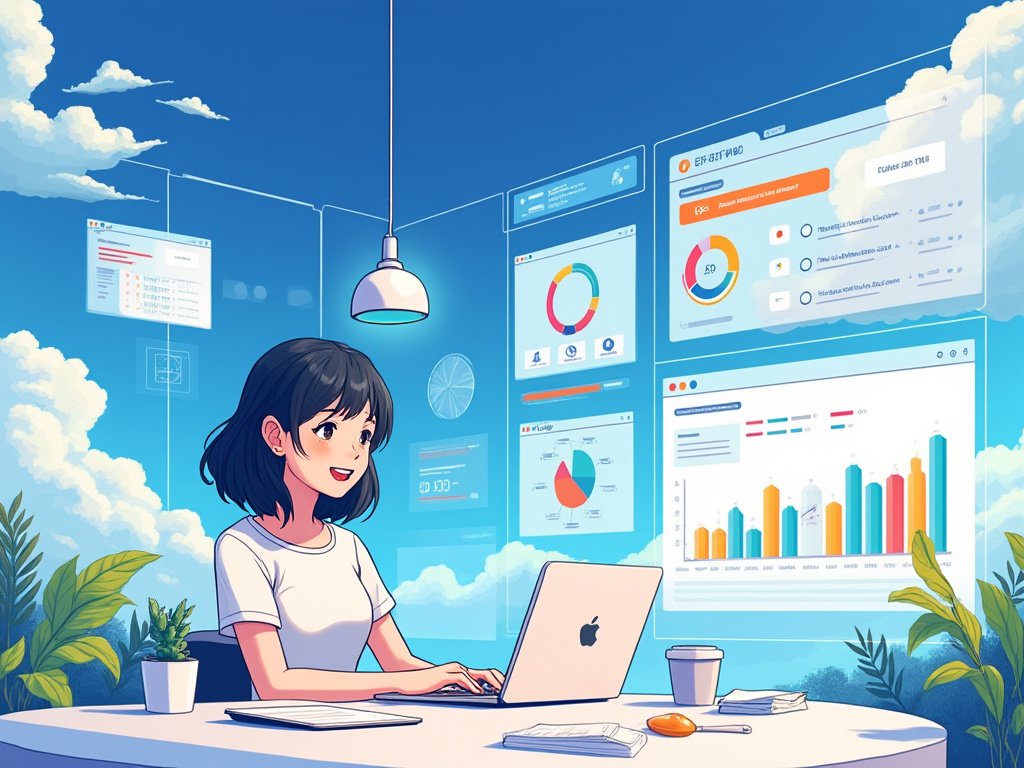
illustration of a woman who is using an ai dashboard to make decisions

Designing for Trust in AI Applications

I’ve been looking into how we can make user perceptions of AI systems more positive when it comes to trust. This is particularly crucial in fields like healthcare, finance, or any area where AI decisions have a real impact on people’s lives. Here’s a top level view of that. I have used Google’s People + … continue reading