How I work
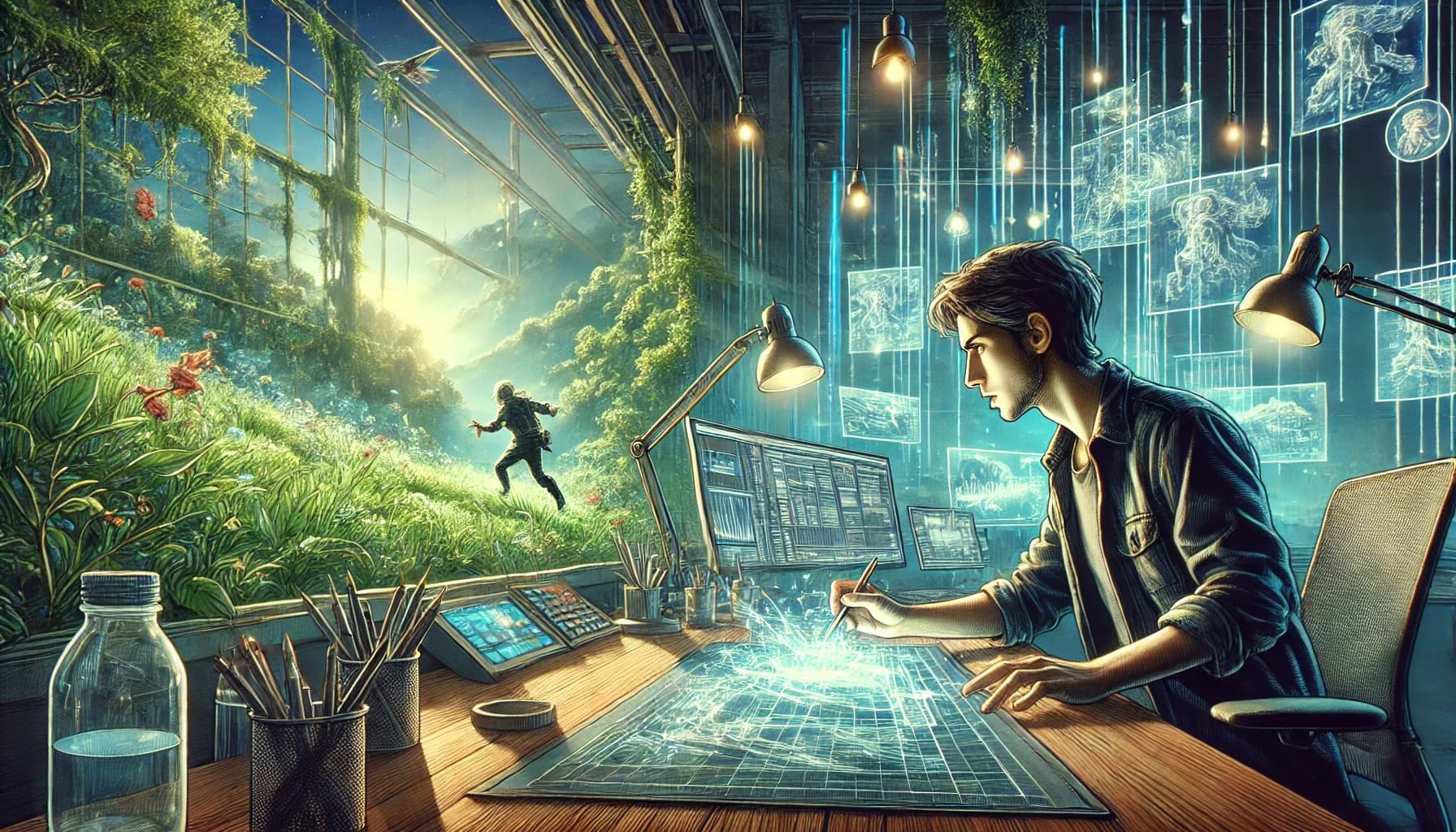
I work across product design and engineering, from understanding a problem to building and shipping a solution.
I like to get close to users, work through ideas with the team and make things tangible early using AI and code. My process is lightweight and iterative, with enough structure to make considered decisions and enough flexibility to change direction as we learn.
Problem → product
Product work starts with understanding the people you're designing for. I want to know how they work, what they're trying to achieve and where their frustrations come from.
That means talking to users, observing their work and, wherever possible, doing the job myself. I want to understand the problem firsthand, rather than rely entirely on a brief or a set of requirements.
I make things real
Early product work is messy. We rarely understand the whole problem before we start, so I prefer to establish a direction and get something working rather than spend too long planning the perfect solution. By the time requirements are locked in and agreed on, the game has probably changed.
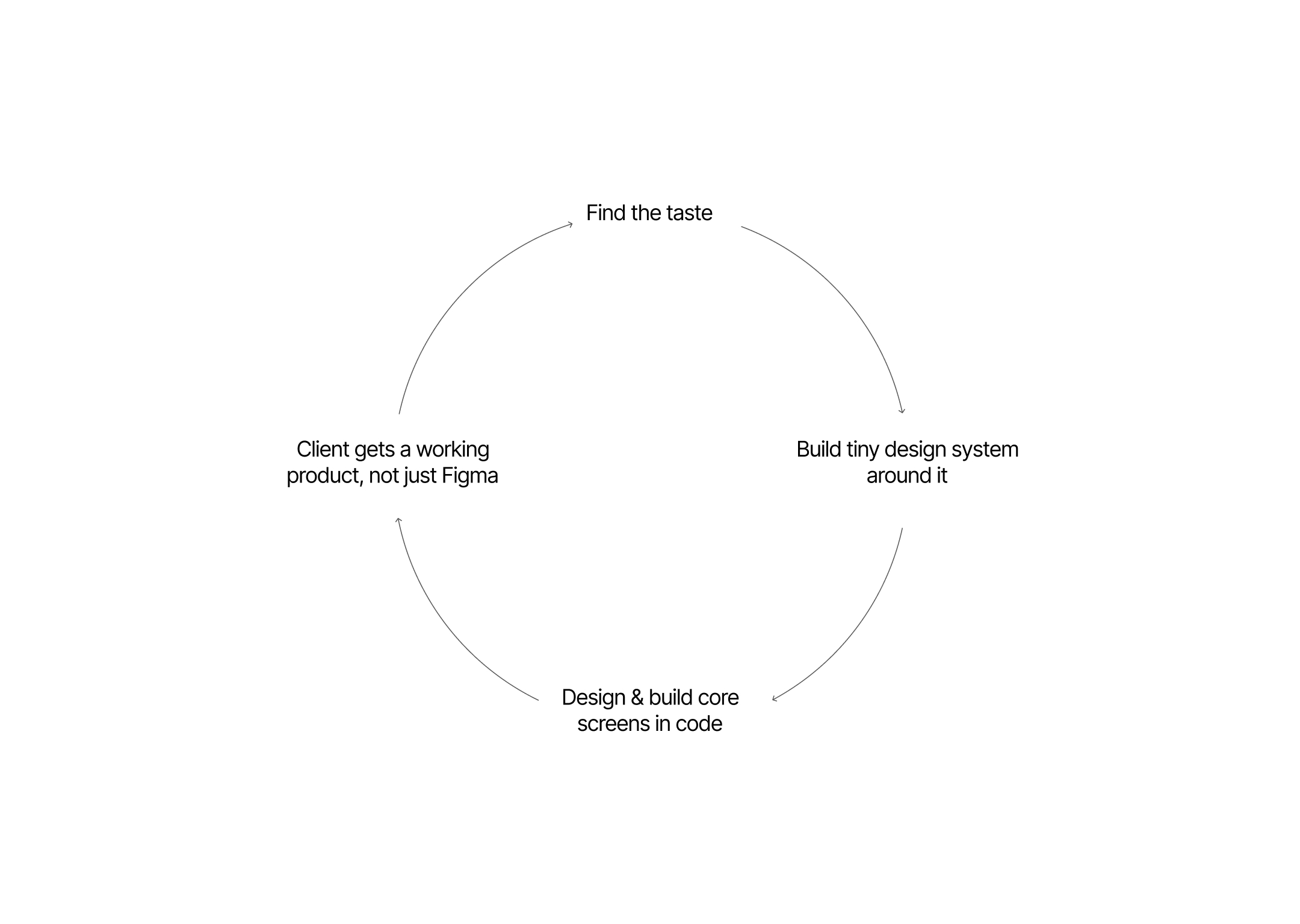
The approach: find the taste (style), establish a small design system to build on, design and build the core experience in code, then put it in front of people.
The first version is there to help us learn. We can make it better once we understand what matters.
How to make decisions at the right time
Different stages of a project need different conversations. I try to separate them so we're clear about what we're deciding. Framing something as an early draft, a steering prototype, or a final design helps us make the right decisions at the right time.
Direction setting
What should we make?
Explore the problem, consider alternatives and agree on an approach before committing to the details.
Product reviews
Does it work?
Use working prototypes to test assumptions, walk through real tasks and understand where the experience falls short.
UI critique
Is it well made?
Focus on hierarchy, typography, spacing, interaction and consistency. Improve the execution without unnecessarily reopening the direction.
Systems thinking
It is important to think beyond individual screens and predefined journeys. Real users introduce exceptions, change their minds and do things we didn't anticipate.
Good product design needs to consider the whole system — the interface, the underlying logic and how it responds when our assumptions are wrong. Particularly with AI products, flexibility needs to exist beyond the UI.

Continuous improvement
I don't expect to get everything right the first time. An early design starts with a clear hypothesis — stated upfront so it can be tested and challenged, not drawn around whatever the results happen to show.
Iteration isn't just about polishing the interface. It's about improving our understanding of the problem, reconsidering decisions when necessary and making the product more useful with each cycle.
Working together
I enjoy the client-facing side of design: understanding problems firsthand, presenting my thinking and working through decisions together. I'll bring opinions and recommendations, explain the reasoning behind them and challenge assumptions when I think there's a better approach.
I like working closely with users, clients and engineers, keeping the distance between a problem and the people solving it as small as possible. I increasingly design in code, so we can make ideas tangible, get feedback early and move quickly from discussion to working product.