Adaptive Learning for AI Agents

As AI agents become more autonomous and take on increasingly complex tasks, adaptive learning becomes a core requirement. Adaptive learning is the ability to update behaviour based on new information. While model fine-tuning used to be the dominant mechanism for adaptation, modern agent architectures allow for more flexible and lightweight options that work in real … continue reading

Designing Agents

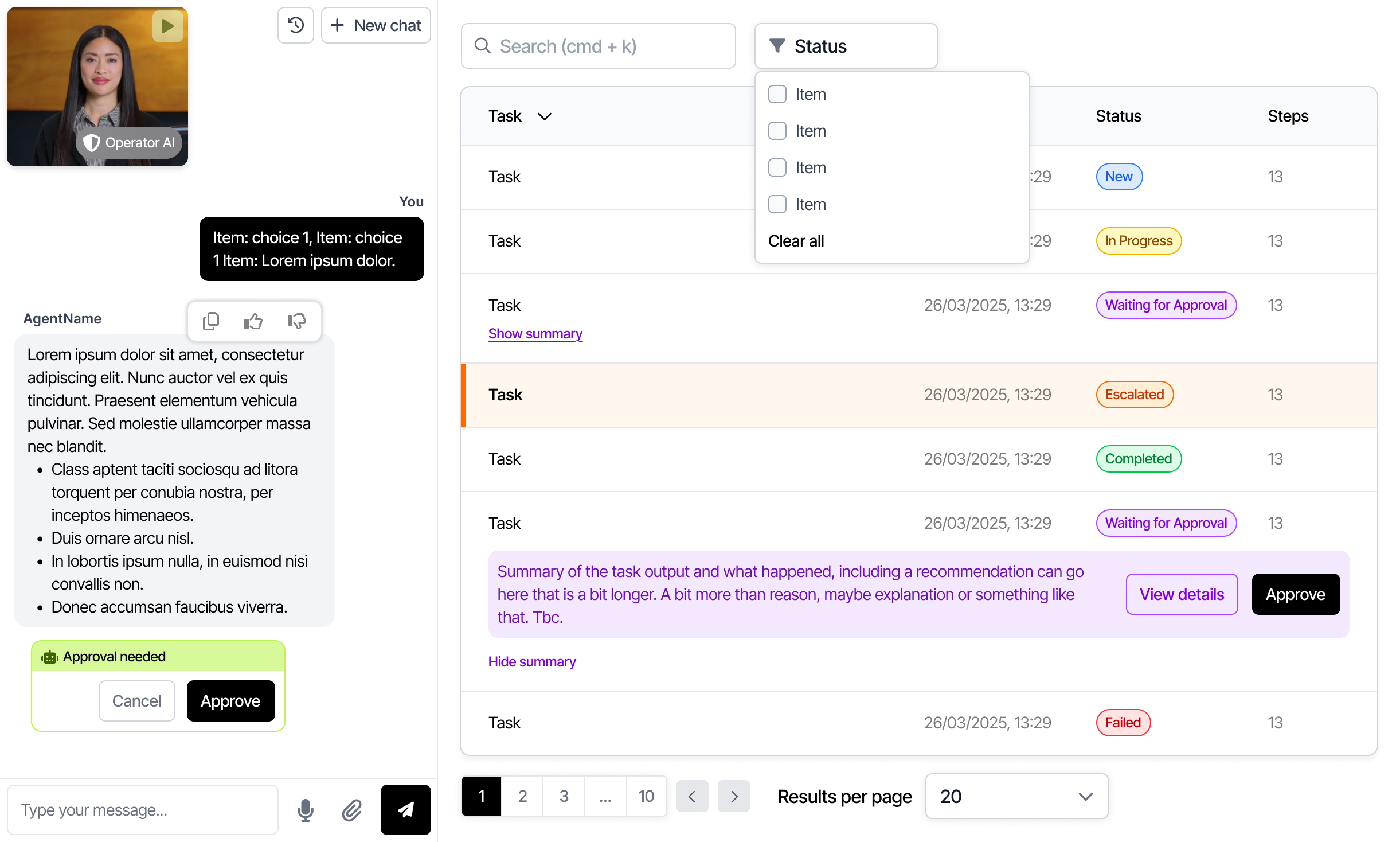
I’ve recently been working on an agentic fraud alert review system for a bank, where our agent monitors transaction alerts and reviews the transaction against context of the bank account as well as any open source intelligence it can gather. The agent system started as a chat interface – where users could ask questions and … continue reading

Digital wave

A User-First Approach to AI Strategy

“Enterprise AI strategy” is something you’d find on a consultant’s slide deck with lots of arrows, maybe a few buzzwords, and a roadmap that stretches into some hazy, futuristic quarter where everything just “works.” But in reality, the organisations making the most meaningful progress with AI aren’t following 100-slide strategies. They’re building small, scrappy, useful … continue reading

The Railways of AI: Building Tracks That Actually Go Somewhere

Sangeet Paul Choudary has written an interesting piece on The problem with agentic AI in 2025. The article argues that while agentic AI (systems that act autonomously rather than simply assist) holds great promise, many organisations are ill-prepared for its demands: governance, data quality, and clarity of purpose. He says they risk doing more harm … continue reading

Product Designer Portfolio Tips

I have reviewed about 100 product designer portfolios in the last couple of weeks for 2 open midweight product designer roles we have at Faculty. I want to help product designers get jobs. These 100 portfolios are after we have filtered out people who have applied who do not fit the criteria, i.e. the criteria … continue reading

Good Models Die in Notebooks

In large consulting projects and enterprise AI programs, too many AI and data science projects follow the same unhelpful pattern. A team of data scientists works for months in notebooks, training and tuning models, carefully optimising precision, recall, and accuracy. Eventually, the results are presented: metrics are up, charts point in the right direction, and … continue reading

Thumbs Up to the Humans in the Loop

Back in the early days of building apps, when we were still deploying things with FTP and debugging with alert(), one of the most thrilling moments was just watching someone use your thing. Not a simulated user, not a test suite, but a real human being poking around, getting confused, lighting up when something worked, … continue reading

Vibe Coding is Changing the Way Code is Coded

The other night, I built a working app prototype in a single sitting to transform json into a format I wanted. Just prompts and a few tweaks. It kind of blew my mind. It got me thinking about how people are learning to code these days and it feels like something different is happening. There’s … continue reading

A Tailwind Colour Palette Generator for Design Engineers

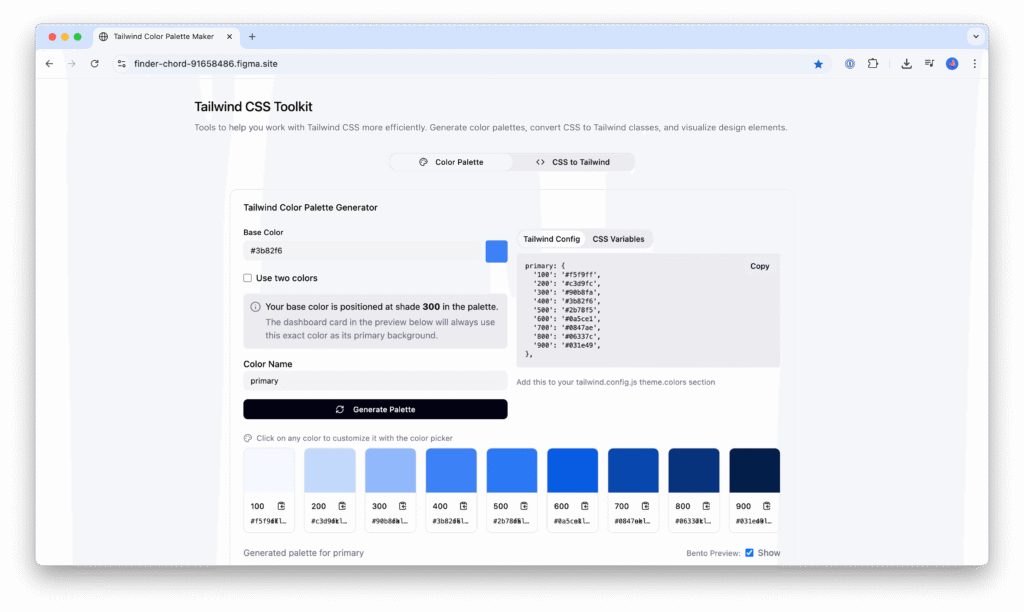
One of the first problems I encountered as a design engineer was sales teams wanting custom demos of software products. They were talking to large enterprise clients, and having a slick demo in client branding helped conversations and improved engagement in their sales process. Instead of redesigning our Agents Product every time, I started to … continue reading

From Designer to Design Engineer: A Practical Guide for Getting Started

Transitioning from designer to design engineer can feel like stepping into a whole new world—new tools, new workflows, and a lot of unfamiliar terminology. If you’re a visual designer who’s learning to contribute code, this guide is for you. Whether you’re just starting to open GitHub Desktop, commit your first lines of code, or navigate … continue reading